Dive into coral
Coral ecotoxicology testing for cosmetics and marine programs. Up to 50 coral species across 30 genera, in a closed-loop laboratory in Brittany, France, providing reliable coral data you can publish, defend, and file.
The methodology
Go Deeper
Descend through the closed-loop method, depth by depth, from the free pre-evaluation at the surface to three-month chronic exposure at the deep horizon. The endpoints, the proof, and why R&D and regulatory teams choose ReefTox.
Predicted coral risk
- Low
- Moderate
- High
- Very high
It starts before any coral is exposed
Every cosmetic engagement opens with a free predictive pre-evaluation, six formulation pillars plus ICP-OES water analysis, scoring risk and routing the formulation to a compatible coral panel.
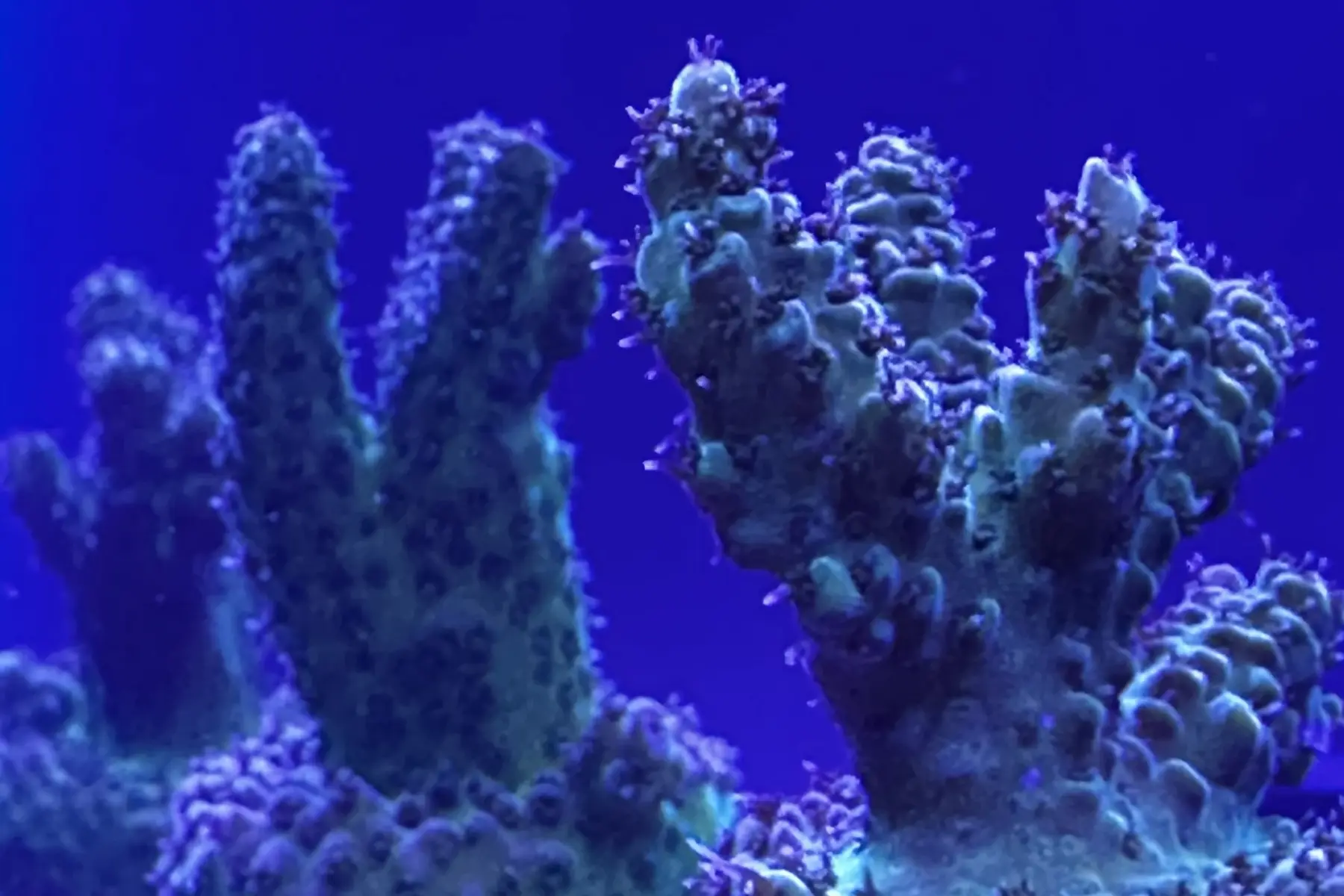
Coral cultivated in Brittany, never harvested
Mother colonies are grown on-site in a closed-loop laboratory. Cuttings are produced under one roof, so every batch carries traceable provenance, with no wild collection.
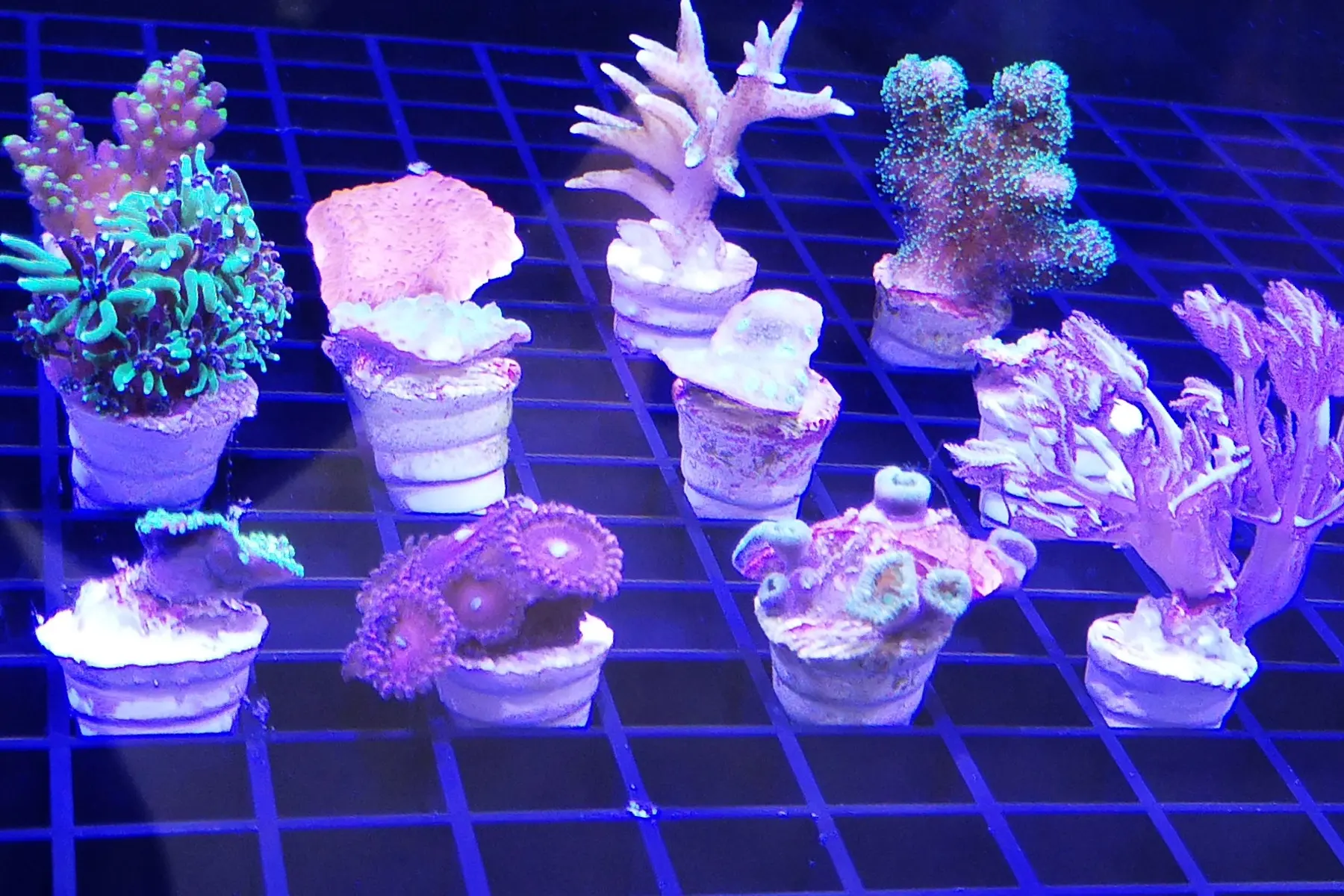
Live-coral exposure at realistic concentrations
Acute testing runs 96 hours of live-coral exposure across up to 50 coral species and 30 genera, with 6 replicates and 6 blanks, producing EC50, LOEC and NOEC.
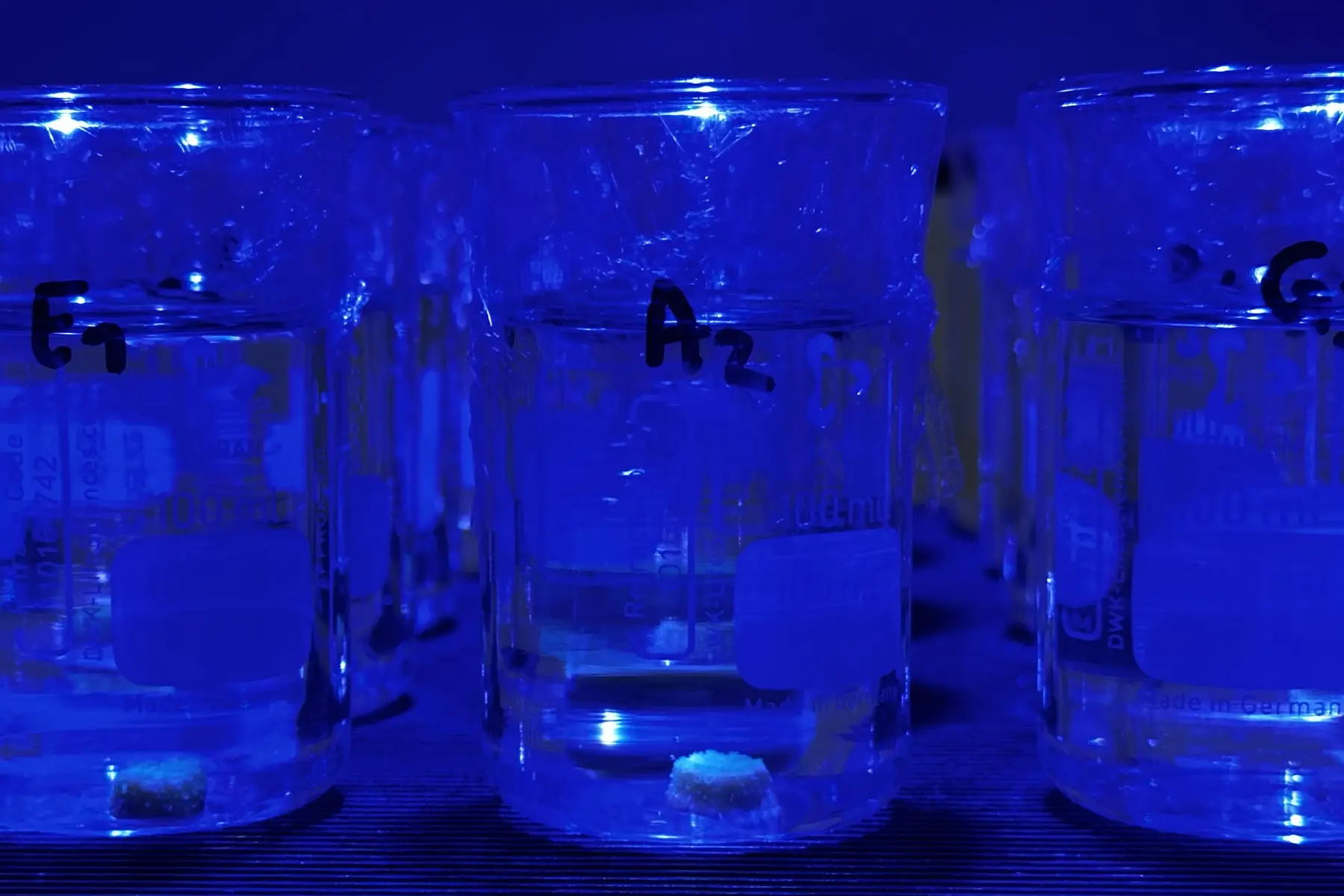
Three months of chronic exposure
Added as an optional program, a 3-month chronic study plus one month of recovery resolves the slow, sub-lethal effects an acute-only design would miss, the evidence a defensible environmental dossier rests on.

Why R&D and Regulatory Teams Choose ReefTox
- 01
Closed-loop Brittany lab
Mother colonies, cuttings, testing and assessment, all under one roof in Arzal, with no wild sampling.
- 02
Up to 50 species, 30 genera
Hard SPS, hard LPS and soft corals across Indo-Pacific, Caribbean and Mediterranean reefs.
- 03
Rapid turnaround
A 2 to 3 week acute turnaround, thanks to the closed-loop lab.
Endpoints
Publishable. Defensible.

Start your program
Cosmetic formulations start with a free predictive pre-evaluation. Marine programs start with a scoping call.
